Thursday, March 31, 2022

Post Production Editing our sequence:

As a group we took on the challenge of editing with Danny as the main editor and Sienna and I behind him. I will be discussing the challenges we faced in the first few days (first half) and what we had to do to overcome any hurdles that came our way:

About a week after we filmed our opening sequence, we got into the editing sweet, ready to review our footage and put the puzzle pieces together in order to get the best outcome possible. We found the computer with our stuff already on it, opened up the file and watched all the clips back as a group. I was pleasantly surprised and assured that we had all the footage we needed and more and it looked great!


It visually looked just as we had envisioned, which inspired us to work cleverly and carefully on this. We saw there were some shots we clearly had done to practice, like when the camera followed the hammer down and up- we had to try a few of those. As well as the beginning 30 second pan backwards, using a wheely chair needed a few takes. Once we went through all the videos, we selected the ones we would use and dragged them into the editing space. As Danny was the main editor we let him take the ropes whilst giving suggestions at the side when appropriate. 


We noticed a few mistakes in some of the clips which were expected, either the timing was slightly off with the hits of the hammer or there were jolts (shaky camera) . We either had to cut out parts that altered the continuity of our shot or we would choose a different clip that worked. There was one tricky part in the filming that we had to work around, when Ted hits the gun out of Mike's hand, and it looked very unrealistic in the footage. To fix this we edited the clip so it stopped, made a quick cut to his face, ad back again before you saw it hit the gun. 

We started by dragging our favourite clips into the timeline where we altered the length. We quickly got into the hang of how it all worked from what we'd learnt in our editing workshops. After we had each clip scattered around and edited, we placed our first shot at the beginning and went from there, putting the footage into chronological order.  

Our original choices were changed once we got to the set and we noticed how different our outcome really was when watching our footage back. We originally wanted to begin with lots of cuts and hand held sections where we would follow the main guy through the club, however a lot changed, as seen on my shoot day reflection. Early on, in the editing process, we made less cuts that expected. There was only one section to our sequence that needed the most attention with cutting and rearranging different clips to firstly, make it look realistic, and secondly to quicken the pace since a lot of the speed was altered below 100% and we wanted some variation. One of the first things we did was change the speed which also helped us broaden the length of our sequence. 

Much of the changes made in editing slightly affected our original concept. This was mostly to do with the timing and order that everything happened. 

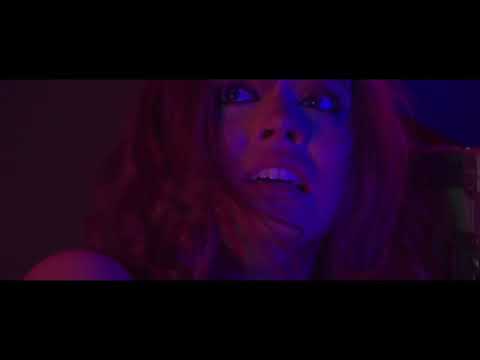
We decided to alter the speed duration to 50% in the first few shots because we wanted to achieve the night club atmosphere mixed with the sudden horror of a killer coming in. As if the girl saw it all in slow motion because she was so scared. We also began to think about a soundtrack to accompany our sequence but were quickly warned about copyright so the few ideas fo songs I had in mind had to be changed but that worked out for the better. 


Friday, March 18, 2022

MISE-EN-SCENE video...

 Throughout the week we made a creative video explaining the Mise-en-scene in our sequence and why we used each aspect of it. We then uploaded it to Youtube:

Tuesday, March 15, 2022

Monday, March 14, 2022

Media shoot day reflection

Today I reflected on how I thought our shoot day went. Here is a review on what went well, what didn't and much more:

Our shoot day, in my opinion, was really successful and much better than anticipated. We were engaged, focussed and enthusiastic in bringing our vision for our opening sequence to life. That's not to say everything went according to plan, because it didn't, but we adapted and worked around any inconveniences or obstacles that got in our way. 

Our day began at 8:15 after we arrived to the site with all or props, makeup, costumes etc. We grabbed a quick breakfast and were in the studio by 8:30. Following our shoot schedule, we had arranged to meet Hannah, our main actress and Raff at 8:45 so we could get the costume, makeup, blood etc done to avoid a rushed environment. This worked really well because once Ted arrived we only had couple of things to change before we got into filming. 


In terms of the set, we had unclear expectations of what it would look like so designing it was a bit of a jump into the deep end but it actually turned out much better than expected. We began moving some boards covering a brick wall with help from our teachers. Doing this created an appropriate background for as club (the brick wall) which we then placed neon tube lights on as they were the main "club" giveaway. We also used LED tunnel lights which were very expensive so we had to be SUPER careful with those. Once we chose the desired colour it looked like this:


The day before we filmed Sienna, Danny and I had arranged where we would get our props from on the day which were either in our class room or a different area around school like the tables and boards.  

 We had 2 tables and 3 chairs brought up which we actually used to keep things on and for our actors to sit on as we only needed one of each. Sienna then started applying the blood to Raff while I arranged the lights and helped Danny set up the camera and the tripod. 

Throughout the week beforehand we had brought in our props like; hammers, fake blood, costumes, and empty bottles of alcohol.

So, that morning we gathered everything we needed and brought it into the studio, including all our porps we had placed on a table.  By 9:30 we were ready to film.


One thing that went well for us was the cinematography of the shoot. I loved the way it turned out on camera. The LED lights created the perfect club atmosphere. Especially the reflection of the strobe light in the glass, which was an idea thought of on the day. 

I think due to our test shoot being so rushed and disorganized, we learnt to be more prepared and on it. That's why on our shot we worked collaboratively and were very prepared as well as focused and open to new ideas improvised on the day. I also think the makeup (fake blood) ended up looking very realistic and just gave it that extra detail on camera which amplified our thriller genre. Hannah's makeup which we had asked her to do at home also translated beautifully on camera and made her look about 21. 

As a group we listened to each other and took our jobs seriously whilst still having fun. There wasn't a moment where we were standing around doing nothing. Sienna and Danny would often swap between calling out the directions and would be on the set to touch up makeup or rearrange the props. I think I tackled the camera operator pretty well, without tooting my own horn, I was surprised at the shots I captured and some of the movements like the pan and quick shot from hammer to face which came across really well. The actors were super professional and Ted brought his own leather jacket- which we were worried about before. We had previously scrapped the idea of an abstract, funky jacket and just told Ted to bring what he thought would look cool (quite unprofessional, I know) but it looked really sick on him as well as on camera.

We even finished before lunch with more than enough footage. This also shows how organised we were and we striked the kit even faster than we set it up. 


The shoot day in general ran smoothly although, there were a few issues that arose. We realised for our opening shot (pan) we would need a dolly-type piece of equipment to move the camera backwards. As a sort of "DIY" alternative, we found a wheely chair which did the job perfectly. We had stuck up our story board although we barely stuck to it, however that wasn't an issue as we were told to be flexible on the day.

For Hannah's costume, I had lent her one of my dresses which was silver with cutouts on the sides. I had previously spoken to my teacher, Mike, about it possibly being an issue so he suggested we ask her to bring some other options and see how it looks on the day. Ultimately, he was right as it looked slightly inappropriate, so to fix this we got her to try on a green silk dress that was perfect. 

Also, Ted arrived in a black shirt (meaning he was wearing all black like the victims) and mentioned he brought a white one too, we told him that it would make him stand out so we made him change. Midway through the shoot we were stuck on how the hammer hitting mike would look realistic. To fix this issue, Sienna tore some kitchen roll up and wet it with the fake blood, she then stuck it on his forehead and poured a bit of blood down his face. I was thrilled with how this turned out- very grateful for Sienna in that moment. 

When we looked at the opening shot on camera before we filmed it, there was a plug socket standing out to us that looked really obvious and took away from the actresses face. So, to fix this problem, someone suggested we used one of the equipment cases to put in front of it. This both did the job as well as sparking the idea of somewhere to put empty bottles on. The case was reflected so the lights bounced off it and shadows were scene on it too. It looked great and I'm glad we discovered that problem with the white socket. 


In terms of what we could have done differently on the day, I'd be boastful and say not much. We could have included some small details like the rings on the finger. Although the characters were wearing them, we didn't get any closeups. We could have used more bodies on the floor, just to exaggerate the killings on the scene. However, I liked how we implied there were many killings instead of showing each one. 

Perhaps if I were it do it again we could have added some more panning shots as the first one went really well. We could have ended the sequence by reversing the opening and do a zoom in on the girl as the man walks towards her. That could have looked cool but i liked what we did on the day.  


I learnt a few new skills on the day as camera operator. Calling "camera rolling" after pressing the record button was part of the job I liked. Keeping the camera balanced- with one hand below the lense and the other on the handle was how learnt to move the camera smoothly. Double tapping the screen will zoom in on your picture and tell you whether it's in focus or not. I also learnt about the focus point as which you zoom into the eyes (when filming a close up shot) to get the clearest outcome. When following the subject, you have to keep the camera steady and be in control for the sharp movements. When I was filming Teddy with the Hammer I had to focus on the hammer whilst follining the movement of it as he quickly struck it upwards, that was one of the most challenging parts for me. I learnt that different lenses will give you a clear or closer shot and sienna would help me when changing those. 

All the skills I had learnt in the camera workshops prior to the shoot day definitely helped me. I made sure to be careful with the equipment when moving the camera on the tripod as well as altering the height of it. Bubbling the camera at the start was another thing I remembered from the workshops. And the 180 degree rule was vital to the shoot as well. Other than camera skills, i was taught how to control the lights, the intensity, colour and strobing or not - i enjoyed doing that. 

The equipment we used were; those tunnel lights, the microphone as there was a small piece of dialogue, Thew wheely chair for our opening shot, as well as each lense for a clearer shot.


I thoroughly enjoyed all parts of the filming but my favourite parts of the day were doing the pan at the start as I felt like a professional camera operator, we also had music in the back at that point which made the experience memorable. I loved designing the lights and placing them around the set. And a good part of it all was calling that's a wrap!

I'm super happy with the the footage we've shot and I'm even more excited about editing. I think i'm looking forward to finding a contrapuntal soundtrack that will go with our sequence but mainly putting all the quick and long shots together. As Danny is our editor i will be behind him shouting out some tips I hope. I'm will intrigued for how the long shot, quick shot, and close ups will look. 


For our next project I can take this experience and channel it into making an even better spectacle. I've learnt that lights have a big effect on the cinematography of the shot. That it won't always turn out how you've planned. Improvising on the day is a big thing. And keeping the camera rolling is crucial so you don't miss any good bits. 

I think what will be challenging in the editing sweet is making the story make sense. We got a lot of footage and what will be challenging is the best order the shots in. I have high hopes and expectations for this so I hope the editing will do us justice. 


Thursday, March 10, 2022

Research of Saul and Alaine Bass:

Today we researched into Saul Bass and his wife. Saul Bass was an american graphic designer as well as a filmer maker. He was born in 1920 and died in 1996. Saul bass and his wife, Elaine, remain prominent in the eyes of title sequence designers internationally to this day.  From a young age, Bass was very creative, he was always drawing and he later attended an art college. 


In the 1940's he left New york (where he was living) and moved to California to jumpstart a career in advertising. This led him to his first big break when he a made poster for a 1945 film: Cameron Jones. The filmmakers spotted his talent and further requested his work for the title credits as well, and this was a game changer for Saul. 


Elaine then began working with Saul Bass & Associates in 1955, collaborating and co-directing with him, and after producing Spartacus they were married. There has recently been campaigning for recognising Elaine's work and not just credtiting her husband. 


Within his 40 year career Bass worked for some of the best filmmakers of all time, including Martin Scorsese, Kubrick, and Alfred Hitchcock. He became well-known after making the title sequence for "the man with the golden arm" Bass went on to do big movie, like West side story and the Shining. 

This is another key example of the Basses' work:

Not only did Bass work on title sequence designs, he began, in the early stages of his career, designing logos for brands with his experience from art college. He did the logos for Kleenex, Bell, and many more.


These are examples of the products that their talents combined together created. They then moved away to spend time with their children and step away from filming making for a bit. Saul Bass was later 're-discovered' and became well known for his work with 

It is said that all modern opening title sequences that introduce the theme or mood of a film are a legacy or inspired by the Basses' work.  


VERTGIO (1958)


After watching this title sequence we can gather from it's main conventions that it's a physcological thriller. The psychedelic patterns used throughout the sequence portray the mystery and AN abstract theme.  The red wash in the first image is indicative of a thriller, as red often connotes danger or distress. 


The eye is feminine as well as the small shots of her face so straight away hints at a woman possibly in danger or as the victim in this movie. Perhaps she is the protagonist, or even the threat in the movie. We can imagine this movie will be fiction due to the hallucinogenic conventions and transition from one to another. it  focuses on the eyes and later Bass cleverly designed it so that the patterns return in the eye. This hints at possible mind games or a disturbed mental health.


I think it works so well because each picture and title blends into one and other which, again, gives the dazed, intoxicated affect which introduces itself to the audience from the very beginning. The font of the titles are quite classic and don't portray that much about the theme. The white writing juxtaposes the dark colours behind it which makes the credits stand out. The size is not to big but noticeable in comparison to what's portrayed in the image. 


Bass being the influential man that he is, I thought about some other films influenced by this style and one that stood out to me as quite similar was the opening title sequence to the The Crown series. 


Athough it's a different genre, the mystery and movement within the sequence showed some similarity to me. I also thought the transitions were alike in the slow ominous way they moved. 


Sunday, March 6, 2022

Research into similar conventions..

Similar products and conventions research post

Today, we researched into different media products that use conventions that are similar to our sequence. This is so we have an understanding of how they used these conventions to successfully portray a genre to an audience, then we can try and replicate how their techniques. 

The genre of our opening scene is a thriller. What makes up our sequence, including; a nightclub massacre, multiple killings and scenes with blood, fighting and hammers, all represent conventions of a thriller.  

If we were to have a sub-genre it would likely be identified as 'A neo-noir thriller' due using elements like; a cynical hero, neon lights, and the intricate plot to follow afterwards.  


DRIVE (2011) Bold films, Nicolas Winding Refn:


After watching this short clip from the movie drive I noticed how, in similarity to the character in our sequence, this man is a lone wolf. He works alone and looks ambitious in getting the job done. He wears a trendy/staple jacket like ours will, and is also a 'hitman' character (even though he's a getaway driver). The way that Ryan Gosling walks with his eye line straight ahead of him is how I aim our character will also look on camera. 


Regarding the theme, the lights, underground club, lowlights and acknowledgement of the girl are all very similar to our sequence. This is also why I researched into this movie because it includes most of the conventions we have, which is super helpful. The uneasy tension he's created with lack of dialogue and mysterious looks is what our character will do. He won't speak, however, one difference is that the audience won't see our characters face. 


The overall narrative of Drive isn't that similar to ours but has many aspects that are the same. Although, this scene in particular is just like a shot I'm envisioning in our sequence The action of walking through a hallway, taking out a hammer and slightly swinging it as he walks is what our character will do before he kills a struggling victim. The camera angles of the hammer and where they are in placement to him is great inspo for the image want to create. 

Obviously the hammer is a prop he uses that our character does as well but it's a theme, our characters' "thing" that is different about him to any other killer- that he only uses hammers. The jacket gives him more of a personality which is what will be significant about our guy as well as Ryan Gosling's character.


The camera techniques used like, the low angle when he walks down the stairs is very effective to his importance, as well as framing him in the centre of the shot. The symmetry of hallway is satisfying to the eye as an audience member. In regards to our scene, we want to incorporate symmetry as much as possible to create a spectacle that looks almost artistic. I want to avoid low angles where all of him is in the shot because it might devalue his threatening or intimidating character. There is also a slow zoom in as he walks towards the camera, I like this technique and hope we can add this in too. The cut from hikm getting out to camera from behind to infront is also what I want to replicate but with a slightly cleaner cut. 


NOBODY(2021)  Universal Pictures, Ilya Niashuller


After viewing this violent scene from the movie Nobody, I thought about what conventions are similar or the same as our opening sequence. His character in this scene is quite like how i expect our character to be when fighting in our sequence. The man also shows mercy when he gave the man a tracheotomy, and our guy will show mercy to the girl in the club. The man uses a pole from the bus to best up the men instead of a gun, quite like hammer. The difference is that he takes a beating as well, our character doesn't face a matched opponent. 

This scene is very intense and we watch as he beats up all these men on a bus how strong and skilled he is. Similarly our guy is clearly skilled and has done this before because all these people are dead on the floor already with only one struggler. They differ because we watch the man from Nobody beat up everyone, yet we don't actually see that in our scene, the audience almost joins in after all the action has taken place. Perhaps, with a non-linear narrative, the storyline could unfold to how he got to this position including the fight scene before we see an end shot of him sitting with his hammers.


Having never seen Nobody, I research the  plot which follows a family man who slowly reveals his true character after his house gets burgled and he then finds himself in a bloody war with a Russian crime boss. Although the plot line is a little different, it still  follows the one man, the protagonist who actually commits many crime yet somehow gets the audience routing for him. 

This scene is set on a bus which, yes, is very different to a club, on the other hand, it's still a remotely confined space with lots of people getting beaten to death, with nowhere to escape to. So, it shares some similarity in the location. 

The costume consists of a typical group of criminals estimated around their 20's; tracksuits and caps, using props like a beer to represent there irresponsible behaviour, whilst contrasting with the older man. The lighting is ill and too bright, juxtaposing the night time. The costumes and lighting don't have much in common with my opening sequence but the porps, like alcohol is what we would have in our night club. Perhaps the group of boys came from a club or pub?

The camera techniques in this scene work in the action genres favour as the quick cuts speed up the pace of this fight. We wobn';t have as many quick cuts because there's less action but cutting from the girl reaction to the man will be similar. The handheld camera is also very effective and gives the illusion that you're in the bus with them. Maybe we will do somehand held in our sequence? They had some really nice close up shots that we will use as inspiration. 

Like this:


JOHN WICK (2014) Chad Stahelski, Lionsgate


Watching a scene from John Wick I noticed some aspects to this character as well as location and more that is already similar to my sequence or what I want to add to it. One main similarity is the sub-genre, Neo-noir. 


The character john wick himself is your typical James bond-esk protagonist. Similar to what we would want our character to be like. He is clearly used to these sorts of situations and trained in combat which is, following from an opening sequence, what our character would be too. He kills a lot of people and has no remorse. 

The location here, is the ideal vision for our sequence if we had a much bigger budget, cast, space and more time. We hope ours is similar to this just in a much smaller scale. The storyline of John Wick is about an ex-hitman who comes out of retirement and tracks down the gangsters who killed his dog and took everything from him. Which differs slightly from ours because the protagonist is fighting for his own, good cause whereas our guy could be doing it for money, greed or his own revenge. 

There are a lot of men in suits ad girls in party dresses, even John Wick is in a suit although this costume might be a disguise to blend in. They use guns, and knifes, but it tells us it's set in america how almost everyone has guns in comparison to our sequence, the hammer tellus little about the location but a lot more about our character. 

The camera moves quickly as well as the quick shot duration editing technique. The hand held and sometimes panned camera movements add to the chaos of it all. We want to achieve the same sort of thing. There are some shots/angles i want to incorporate into our sequence. 


The BBFC and Film Certificates:

We researched into this company and how they affect filmmaking through ratings because I assume we will be labelling our own films ...

The BBFC (British. Board. Of. Film Classification) are an organisation who regulate the British Film industry. They select what can and can't be shown in films, they are in charge of assigning an age certificate to all films in the UK. Every film in the UK on DVD and in cinema has to be classified by the BBFC and be placed into one of the age categories, otherwise it cannot be released.  

The age certificates in the UK are:


The sorts of topics that the BBFC take in to consideration and what the age restrictions refer to are scenes of:
  • violence of all kinds
  • sex and nudity 
  • obscene language 
  • self harm 
  • criminal activity 
  • dangerous behaviour; drugs, alcohol, cigarettes
  • involving child actors
  • strobe lighting

They also have to consider the context of the movie. They will look for things like whether the movie is animated, fantasy based or realistic. Whether it looks child friendly, as animation normally is, although it can include scenes of violence and get a lower age certificate as the BBFC believes that  the audiences won't be as affected as it's not real. It is also common that violence in these sorts of movies won't result in extreme horror and pain, it's likely comical. 


The BBFC will look at the way certain issues are handled. For example, if a film portrayed drinking and driving as a dangerous and illegal manner with severe consequences, then it may be given a lower film certificate. However, if they showed drunk driving to be fun and safe and accident free, it will probably get a higher certificate rating. 


Another example of what sort of thing the BBFC manage, when there are scenes of violence, are the questions like:


  • is the violence in the movie 'normalised'?
  • is the violence self defence or spitefully provoked? 
  • what type of injuries are caused, how offensive does the image look?
  • does the violence look realistic?


A 12A or 12 rating is regarded as a film unsuitable for those under the age of 12. For a 12A , any children under 12 must be accompanied an adult who considers the movie appropriate for them. No one under the age of 12 can buy or rent video work rated 12 either. Films can be certificated a 12 for numerous reasons. For example; dangerous behavior (children are likely to copy), drugs, discrimination, language, sex references. 

15's are made suitable for those 15 and over. They differ from 12's due to the displayed behaviour, like drugs or sex, is more extreme than a 12 or 12A. A 15 could reference to self harm, suicide, homophobic or other discriminative language. The language can be very strong as well as graphic threat and horror. So, a 15 requires a more emotionally mature audience.


Films received a rating of 18 are only suitable for adults. Although, 18 year old's and above may find it very offensive because they can include; a breach in the criminal law, illegal drug use and the severe consequences of it (can often be harmful to viewers), sexual violence, rape or non consensual violence, and even more upsetting images.


R18 is a legally restricted category that consists of explicit works of consenting sex or strong fetish material involving adults.  R18 are only  supplied in licensed sex shops sold to adults over 18 years. These videos cannot be supplied by mail order.


For our opening sequence, I would award the film certificate of a 15. Although we have a thriller genre for our movie, there are defnietly scenes of violence and conventions that viewers under 15 may find upsetting. Especially what's implied and not shown (the smashing hammers into heads). Throughout the film there would be numerous scenes of violence and likely strong language, possibly drug use as it follows criminals habits. Awarding the sequence a 12 would be inappropriate and likely make the movie uncomfortable to watch for those under 15.

Shooting and editing dialogue sequence:


Shooting the dialogue sequence

When we shot our dialogue sequences, we assumed there would be a lot that would go wrong due to our little experience with the equipment, however I think our mini sequence was quite successful. We were given a quick briefing on what we had to do in the lesson and were also introduced to the microphone that would pick up the dialogue.

Then we got into a small group and went into a classroom with the equipment. I was lucky that I had my opening sequence group within the group that day so we could get used to working as a team. Danny and I began as the two actors in the scene and Sophie then joined later holding the mic and then acting. We made a simple sketch where I walked in, sat down, shared some dialogue with Danny and then Danny walked out and Sophie came in. Sienna was on the camera and we swapped in when we weren’t acting. We got all the footage we could and in a later lesson we had the editing workshop.


During the process, I remembered a bunch of the rules from previous workshops which I then utilised during this exercise. We made sure to be super careful with the equipment, remembering the ‘yours and mine’ rule. We also all contributed when using the camera on the tripod, that the tripod was evenly put up or down so the camera didn’t fall off.

On that day, we learnt that the microphone plugs into the back of the camera into one of the sockets and has a wind shield for outdoor filming but we used it anyway. Sienna remembered to bubble the camera so that it was level and we were told some tips when filming dialogue. For example, being at the same level as the people talking for a more professional looking shot, as well as multiple takes of the conversation from multiple varied angles whilst keeping the camera rolling. This is so when it comes to editing you have lots of options and a choice as to who gets more screen time and who doesn’t. We recalled the 180-degree rule and stayed within it so our shots made sense. Remembering all these skills taught from previous lessons helped hugely with the filming of these sequences and I’m sure has made us more familiar when using the cameras, getting intact with our mind-muscle-memory.


We only faced a few problems that workshop and they were all things that were easily fixable. At one point, we got confused about the 180-degree rule as we were trying to accomplish the over the shoulder shot but worried it was going to swap Danny and I from left to right. We struggled with the white balanced at the beginning because the room was a bit too dark.


I think if we were to have done it differently, I would’ve brought the microphone closer the actors because when we went to edit, the sound was a little too quiet for our liking. We could have focussed on the height of the camera, putting it more level with the actors next time because we had too much leg space and then also unnecessary headspace. For next time we shoot, we should bubble the camera and remember to get the exposure and white balance on the right levels.


Editing our Dialogue Sequence:

We got into the editing sweet a few days later and we found our sequences on the computers and were told to work in twos. I worked with Sienna as we shared the role of ‘editor’ for the lesson. I had previously missed an editing lesson which I was worried would be a setback, however, with some recaps and quick tutorials from Sienna, I quickly got the hang of it. We found our files with all the footage took previously and dragged out the best clips for our short scene we were about to create. We were then taught that the sound from each clip could overlap and sound tacky so we used a tool in the app that helped smooth out the transition.


The experience of editing our short dialogue sequences opened up my knowledge to the process from filming to editing and how you can use each shot to your advantage. I learnt a few tricks when editing. Like using the key ‘I’ to select what part of the shot you want to drag into the cutting area. Your then use a ‘razor tool’ to cut your scene. We also learnt that the amount of screen time you give each character translates into how important they are or who the scene is about.

A few mistakes were made including; not cutting a clip short enough which resulted in a delayed sound from the previous shot,  and our camera angle meant we had too much head room, however, that could be fixed with cropping the image. The lighting was a little too dark even though we did the best we could in the room. We followed the 180-degree rule which helped the editing process as it was clear where each actor was in comparison to the shot.

I think we did well for our first dialogue sequence, although, if I were to do it differently I would have made the microphone closer to the actors as some of the words got lost in the room.


When editing our actual sequences, I would make sure we have gathered as much footage as possible so we have a lot of options of where to cut and where not to in the editing room.  We will make sure the lighting (white balance, exposure) it perfect so we don’t have a problem where you can’t see our characters. We may vary between longer shots and quick cuts and even editing it so that when the main action is happening, like the man being beaten to death with the hammer, it’s on the girl’s reaction with the sound in the back. A shot like this will hopefully make our sequence look more professional and less tacky.

Here is our dialogue sequence we edited in a lesson:


Our Final Sequence

 Here is our final sequence: