Titles are used in an opening sequence to introduce a film and the makers behind it. The key institutional information before you watch the movie.
They are included to give credit to the people in the film making it and funding it. A title sequence often establishes the genre of the movie which is normally down to the fonts, colour scheme, and soundtrack used. It sets the tone and atmosphere of the movie, it can often suggest the location, time of the movie and even hint at the narrative.
The roles traditionally mentioned in the title sequence are who funded the film and the many makers behind it. There are usually 21 titles found in an opening title sequence in a set order.
These are normally the top 21, although they can change:
money
Production
Directors
Main star
film title
Actor 1, 2,3,4,5
Casting
Costume designer
Music
Edited
Production designer
Director of photography
Executive producer
Produced by
Based upon
Screen play (writer)
Director
Or for example:
A horror film
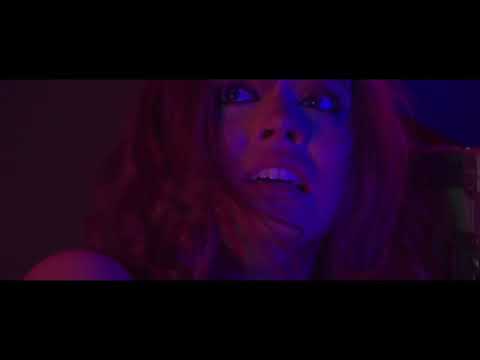
Certain features of the titles will clearly suggest the tone, narrative and genre. A horror movie like this stereotypically has red (blood) and black (night time) and will normally show you something creepy so you know the genre and are engaged.
Drive (2011) - a film directed by Nicolas Winding, starring Ryan Gosling and Carey Mulligan.
Straight away there is a fade from black to a map, the diegetic dialogue of the man we hear on the phone then draws us in. The main character, we assume, has a low voice that immediately grasps the audience's attention. The lighting is dark and atmospheric- it gives a hint of the narrative that our character is dark and mysterious. His character also lures the audience when he gives no reply in the car park. His silence throughout a lot of the opening sequence surprisingly makes it more suspenseful, especially when he's driving, it contrasts to the fast soundtrack and sound effects of the car and forces us to feel tense during the car chase.
It's night-time and begins in what looks like a hotel room. We later see that it's set in florida from use of dialogue from his friend. It could be set in modern day but due to colours and lights could be in the 80's or 90's. The establishing shot through the window shows us it's in a busy city and hints at him going out since he has his bag ready and is talking to someone in a affirmative tone about his plans. The rest of the scene takes place in the car but cleverly finishes by him getting out of the car park (possibly at a stadium) and disguising himself as a fan - which he may well be as foreshadowed in the opening shot of the television with the game on ->
The tone of the scene is intense, suspenseful, often low lit which adds to the crime aspect- often happening in the dark. Lights that focus on main character's face when he's driving emphasizes his emotionless face during the dangerous situation he's in. The subtle, suspenseful non-diegetic soundtrack also hints at the thriller genre.
The robbers costumes are very stereotypical. Balaclavas and all black clothes to blend into the nighttime. The camera angles are mainly made up of close ups on his face to capture his reactions or lack of during the intense situation. The sound effects of the engine and car speeding up also adds to the intensity.
The character positioning of him facing the window, at the beginning, foreshadows where the car chase will take place.
We can tell he's a getaway driver almost straight away as he hints it on the phone, he is un-charismatic when interacting with anyone else, and he keeps a low profile. I imagine he doesn't enjoy his job but is clearly a skilled driver and gets payed a LOT for it but I don't think he's proud of what he does. The rest of the characters have little importance in the scene as well as little importance to him. He says "anything a minute after that and you're on your own" which tells us he's only doing it for the money. He seems like he does this regularly as when he visits the garage to get the car he has others lined up and is friendly with the man like they've met before.
I think it successfully engaged the audience and tells you a bit about this character we're following while hinting at a narrative. Maybe we see his story unfold- possibly what lead into becoming a getaway driver. It could follow a linear narrative of his life from now on- maybe he gets caught or in trouble at some point. Maybe he wants to pursue a career in baseball but can't because of his criminal record.
Scream, directed by Wes craven and written by Kevin Williamson, is a horror movie made in 1994 starring Drew Barrymore in the opening sequence.
The scream draws us in straight away but quickly contrasts to the blonde girl at home picking up the telephone. Her being alone in her house tells you she’s vulnerable. The first call seems innocent which we figure will change. I think what makes us scarred for her is the tone of this unknown man’s voice. He is calm yet sounds sinister and clearly calling her was no accident, she is trying to get rid of him politely which makes her seem more innocent, therefore creating the victim role. One moment I found drew me in was the camera angle, using the rule of thirds, where she is on the right-hand side of the shot on the phone and the majority of the left side is a glass door showing her reflection, this is where the audience becomes aware something could be watching her and we suddenly feel anxious for her.
The scene begins inside this girl’s house we can assume is somewhere in America due to her accent. She is in her kitchen and the camera follows her various movement through the house as she becomes more stressed. From the first scene we can guess it is set in the 90’s as was filmed in 1994 but also has a lower picture and sound quality than present day movies.
(Following the horror theme: she even references a famous horror movie whilst pulling out a knife and harmlessly playing with it, making the audience feel uneasy)
Immediately we know it’s a horror movie due to the use of ominous music and dissonant strings playing with non-diegetic screams, a thunder crash, and knife sound effects. The font of the title “scream” stereotypes a classic horror film opening and tells the audience a bit about the movie already. The sound bridge into the telephone ringing highlights an everyday object being made scary. The tone gradually builds as the telephone rings more and more and the creepy, male voice behinds it becomes more persistent. The tone of the opening also has an eerie silence but the dialogue from the man is being overly friendly and asking her personal questions like ‘do you have a boyfriend’ and ‘you never told me your name’. The tone then takes a turn when he says ‘because I want to know who I’m watching’ and there is a zoom in
The opening title “scream’ clearly shows you’re watching a horror movie with the red, dramatic letters along with the sound behind it.
The camera shot and duration on the popcorn as the scenario grew more intense as she got more terrified. There was a shorter shot duration between; her, the popcorn, where she was running to around the house (locking doors etc) which exaggerated her panic. We also connote home as a safe place and the sequence turned that into vulnerability.
For the girl’s character, she is the stereotypical blonde girl, a vulnerable target. She seems simple and sweet and tries to be polite “take it easy” when rejecting the man on the phone. Although we never see the man on the phone, we can tell he’s the villain, the threat in this movie. His voice is deep and unfamiliar - maybe he’s a stalker or has followed her home but we imagine he’s watching her inside the house.
Based off what we’ve seen, the narrative could be set on how the girl escapes this man on the phone. Maybe he finds a way into the house and torments her. It could be about how the man behind the phone does this to more than one victim and that’s where the ‘scream’ theme comes in.
I believe they have build the tension of the opening scene successfully. And it clearly represents the horror movie genre. It's not terrifying or gory but definitely gripping and that way it can reach a wide audience.